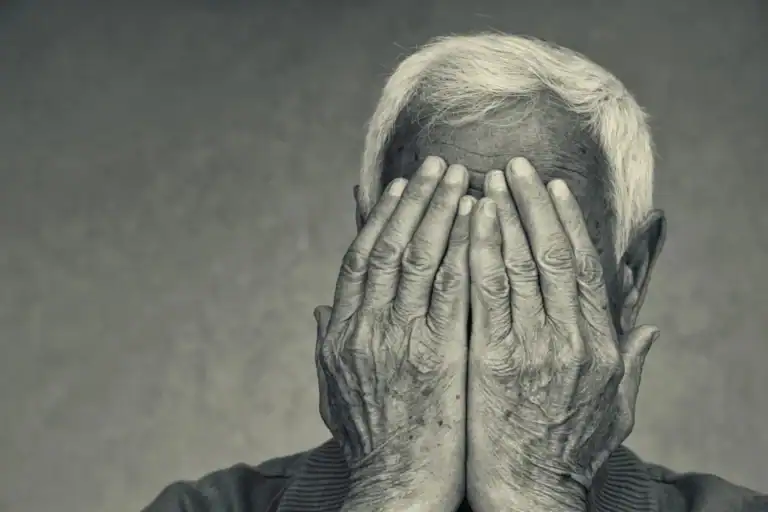
There are moments in life when you realize something inside you has been carrying a weight for far too long. You may be moving through your day and suddenly notice how tight your shoulders feel or how shallow your breathing has become. Maybe your jaw hurts because you have you teeth clamped shut tight. Nothing dangerous is happening, but your body is prepared for something to go wrong. Many people describe this as living in survival mode without realizing it. It is a way of showing up in the world that forms quietly over time, especially when your story has taught you that you have to stay on guard.
If this is familiar, I want to speak to you kindly.
Your reactions do not mean you are weak.
Stop reading. Did you take that in? You are not weak.
They are signs that your body learned how to protect you when protection was necessary. You adapted as best you could, and these patterns helped you survive. But surviving is not the same as living. The longing you feel for rest or stability or safety is holy. It is a sign that your soul is ready for something more than endurance.
When Your Body Stays on High Alert
Survival mode often begins as a response to overwhelming experiences. Maybe you grew up in a home where you had to anticipate other people’s moods. Maybe conflict meant danger. Maybe silence meant danger. Maybe inconsistency kept you scanning every room for possible harm. At the time, this vigilance may have helped you stay safe.
But when the body stays on alert for too long, it becomes exhausting. You may wake up tired. You may struggle to relax even in peaceful spaces. You may wonder why you always feel on edge. These are common signs of living in survival mode for too long, and they are not failures. They are invitations to understand your story with compassion.
If this idea stirs something in you, you might find it comforting to explore Understanding Anger After Trauma, where I describe how the body often carries tension long after the mind believes everything is fine.
The movement toward healing begins with noticing. Noticing when your chest tightens. Noticing when your breath shortens. Noticing the small moments when your body seems to prepare for danger that is not actually present. These are not signs of cowardice or weakness. They are signs that something inside you longs for safety.
What Living in Survival Mode Means
People often ask what living in survival mode actually means. The simplest way to say it is this. Your nervous system continues to act as if danger is near, even when you are safe. This is not a deliberate choice. It is not a failure to trust God. It is the body remembering what it endured.
You might also notice emotional patterns that confuse you. You may react strongly to small things. You may shut down in moments that seem harmless. You may feel overwhelmed by decisions that others find simple. These are not signs of something wrong with you. They are signs that your body has been carrying too much for too long. Not what’s wrong with you. But, what happened to you.
If anger feels tangled in this experience, Finding Compassion for Your Anger After Abuse may give language to the frustration you carry toward parts of yourself that still feel reactive.
Survival mode is not only about fear. It is also about loneliness. It teaches you that you must handle everything on your own. It convinces you that your needs will burden others or simply go unmet. It tells you that rest is risky. It whispers that vulnerability is dangerous. But none of these messages reflect the heart of God. Scripture shows us again and again that God draws near to the weary, restores the soul, and makes room for those who feel fragile.
How Healing Begins
Healing from survival mode is not forcing yourself to be calm. It is about approaching your reactions with gentleness. It begins by asking soft questions. “What is my body trying to tell me? Is something reminding me of an earlier story? Am I holding more than I can carry alone?”
These questions create space for your younger parts to be seen and honored. They allow you to acknowledge why your body stayed on alert and why your heart grew cautious. Over time, as you name these stories and hold them with kindness, the nervous system begins to trust that it no longer needs to brace for impact.
Sometimes survival mode mixes with messages about forgiveness. You may have been told to forgive quickly or move on before your body was ready. If that tension feels familiar, When Just Forgive Feels Like Another Wound may help you understand why pressure to forgive can deepen harm.
This is also where story work becomes such a meaningful companion. When you sit with a guide who helps you explore your story gently, you begin to understand not only what happened, but how it shaped the way you learned to survive. This is the heart of the coaching work I offer. You do not have to navigate these places alone.
Moving Toward Shalom
As you begin to understand your story with compassion, something beautiful occurs. The alarms inside you grow quieter. Your breath deepens. Your shoulders soften. Your thoughts become clearer. You may feel moments of peace where stress once lived. You may notice your body shifting out of survival mode and into something more grounded.
This is not a quick change. It is a slow and sacred movement toward shalom. God meets you here, not with pressure, but with presence. Not with demands, but with care. The Shepherd restores the soul gently.
If you have been living in survival mode for years, it makes sense that rest feels unfamiliar. But rest is possible. Safety is possible. Healing is possible. And the longing you feel for a different way of being is evidence that God’s restoration is already beginning.
Inviting Reflection and Growth
- When do you notice your body slipping into survival mode, even in calm situations?
- What earlier stories might help explain why your body stays on alert?
- What would it feel like to approach your reactions with curiosity instead of pressure?
- Where do you sense God inviting you to soften or breathe more deeply today?