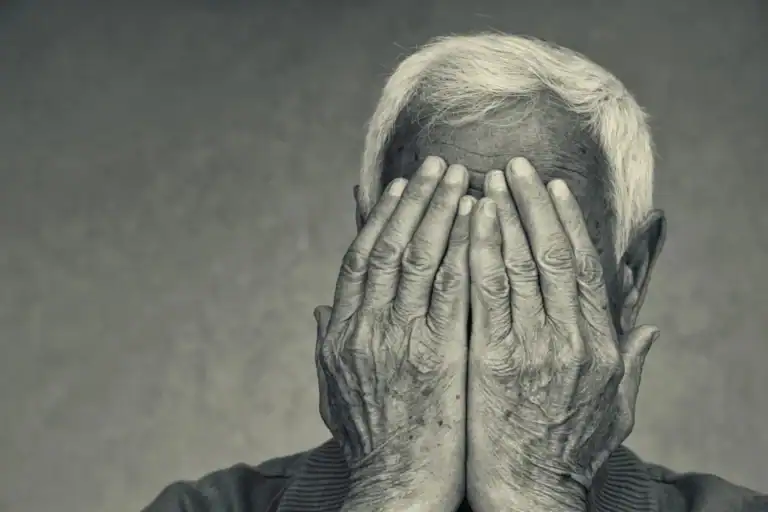
Have you ever felt like your life was shattered into pieces? Like something was broken beyond repair—maybe your sense of self, your relationships, or even your purpose? That feeling of brokenness is more common than we often acknowledge. But what if there’s another way to view it? What if your brokenness could become part of something more beautiful, more whole, and more meaningful than you ever imagined?
This is the heart of a profound biblical truth called shalom—a concept that encompasses not just peace but wholeness, harmony, and flourishing. Shalom is God’s vision for the world. It’s the beauty of wholeness restored, even when life feels shattered.
When Shalom Shatters
The idea of shalom takes us all the way back to the Garden of Eden. In the beginning, everything God created existed in perfect harmony—humans lived in peace with God, each other, and the world around them. This was shalom: a world as it was meant to be.
But then, sin entered the world. One choice shattered shalom, and with it came pain, division, and brokenness. Suddenly, relationships were marred by distrust. Work became toilsome. People experienced fear and shame. Shalom was no longer the natural state—it had been fractured.
This story of shattering isn’t confined to the pages of Genesis. It plays out in our lives, too. We see it in moments of betrayal, in the wounds of trauma, and in the conflicts that leave scars on our hearts. Whether we want to admit it or not, we all live in the aftermath of shalom shattered.
The Journey Toward Restoration
So, what happens when shalom breaks? Is the story over? The answer is no. The beauty of God’s plan is that He is in the business of restoration. The journey of healing invites us to move through three transformative steps:
- Understanding Shalom
Shalom is more than the absence of conflict. It’s the presence of something whole, good, and life-giving. It’s a vision of flourishing—spiritual, emotional, relational, and communal. God designed us for this kind of wholeness, and even though it’s been fractured, His vision for restoration remains.
- Recognizing Our Brokenness
Healing begins with honesty. Trauma and pain often lead us to hide or avoid the broken places in our lives. But pretending they aren’t there only deepens the wounds. Recognizing what’s shattered—whether it’s relationships, trust, or hope—is the first courageous step toward healing.
- Restoring the Vision
Restoration doesn’t erase the cracks of life’s pain. Instead, it transforms them into something beautiful and meaningful. Picture the Japanese art of kintsugi—a method of repairing broken pottery with gold, emphasizing the cracks rather than hiding them. Our healing journeys are like that. Through God’s love and grace, our brokenness doesn’t disqualify us; it becomes part of what makes us whole.
How to Live Out Shalom in Your Everyday Life
Restoring shalom doesn’t happen overnight, and it’s not always easy. But it begins with small, meaningful steps—moments where we choose to bring order, peace, and love into places of chaos. Here are practical ways to live out shalom in your daily life:
Extend compassion to yourself: Healing isn’t linear. Some days will feel heavy, and some days will feel hopeful. Be patient with the process and trust that God is working in your story.
Reconnect with others: Trauma often isolates us. Reach out to someone you trust. It could be as simple as sharing a meal, making a phone call, or seeking support from a community of care.
Allow God into your story: Take time to pray and reflect. Where in your life is shalom most broken? Ask God to show you how He can begin to restore it.
An Invitation to the Shalom Journey
Your journey toward shalom begins when you choose to step forward, even if the steps feel small. In this series, we’ll explore each movement of the journey: understanding shalom, recognizing brokenness, and walking toward restoration. Together, we’ll uncover how God’s vision for wholeness touches every area of life—from your deepest wounds to your greatest hopes.
If you’re ready to reclaim hope and discover beauty in your broken places, this series is for you. Let’s walk this journey together.
Reflection Questions:
In what areas of your life does shalom feel shattered or missing?
What’s one small choice you can make this week to invite restoration—whether in your relationships, your inner self, or your faith?
How might the idea of shalom change what you believe about healing and flourishing?
Take the next step:Sit down and think about one area of your life that feels broken. Pray over this area, asking God to begin His work of restoration. Trust that He can bring shalom, even to the parts of your story that feel too hard to restore.
Shalom doesn’t mean perfection, and it doesn’t happen all at once. But it does mean that wholeness—true, life-giving wholeness—is possible. You are not defined by what’s broken. You are invited into a story of restoration, where God’s love fills the cracks with something new, beautiful, and strong.
Let’s take this step together toward reclaiming shalom.