
Trauma is not just something that happened to you. It’s something your body and heart lived through — something that overwhelmed your capacity to stay grounded and safe. And because of that, it leaves a mark. Not a mark of failure, but a mark of courage, of survival, of the ways you protected yourself when you had to.
Trauma doesn’t look the same for everyone. Your story is not identical to anyone else’s. Even if two people lived through similar events, their bodies, histories, faith, family stories, and internal worlds responded in entirely unique ways. Your story deserves to be understood in the particular way it unfolded for you.
However your trauma came — through loss, violence, betrayal, chronic stress, abandonment, or quietly over years — it was too much for you to carry alone. And you did what you needed to do to survive. Those responses were not weaknesses; they were wisdom.
Understanding trauma is not about labeling your past. It’s about honoring what you lived through and tending the parts of you that are still asking for care.
Takeaways for Your Own Journey
Trauma doesn’t stay in the past.
It echoes — in your body, in your reactions, in the places where you learned to shut down, stay alert, or push through. These echoes don’t mean something is wrong with you. They’re signals that a younger part of your story is still waiting to be met with kindness.
Your patterns of coping were never failures.
The ways you protect yourself — withdrawing, numbing, staying busy, staying strong, holding your breath — were born in moments when you needed them. They kept you alive in some way. They can be honored even as you learn new ways to live.
Naming your internal world with gentleness is the beginning of healing.
When you can say, “Oh… this reaction isn’t random — it’s a part of me remembering,” you open the door to compassion instead of shame.
Healing usually happens slowly, in safe relationships.
Therapy, community, story work, prayer, embodied practices — these are not quick fixes. They are ways of tending the wounds you’ve carried, allowing your nervous system and your heart to finally exhale.
You are not meant to heal alone.
You don’t need to be “strong enough” or “spiritual enough” or “over it already.” You deserve support, companionship, and care on this journey.
Understanding the Effects of Trauma
(In Your Story)
Trauma often leaves you with a mind that works overtime — not because you’re weak, but because your brain learned to stay alert to protect you. Anxiety, depression, intrusive thoughts, emotional numbness, or difficulty concentrating are not personal flaws. They’re responses to overwhelm.
You may find yourself feeling:
- disconnected from your emotions
- hyper-aware of your surroundings
- overwhelmed by small things
- flooded by shame
- stuck in cycles of fear or self-blame
These experiences are common for trauma survivors — but they are not the whole of you.
Over time, if trauma remains unhealed, you might adopt coping strategies that once helped you survive but now limit your life: withdrawing, people-pleasing, perfectionism, over-functioning, or numbing. These are signs of pain, not character defects.
Recognizing How Trauma Lives in the Body

Trauma is not only a psychological experience; it’s a physical one. Your body keeps its own record of what happened.
You might notice:
- chronic tension
- digestive issues
- headaches
- sleep problems
- fatigue
- feeling “on edge” without knowing why
- shutting down when something feels too much
This is your nervous system doing exactly what it learned to do in moments of threat. Your body is not betraying you — it’s trying to protect you.
Healing involves helping your body learn that the danger has passed.
How Trauma Shapes Your Long-Term Story
You may notice trauma echoing in:
Relationships — difficulty with trust, vulnerability, conflict, or connection.
Identity — feeling “too much,” “not enough,” or unsure who you really are.
Work and creativity — perfectionism, fear of failure, or burnout.
Faith and meaning — questions about God, safety, or belonging.
Daily life — patterns you can’t seem to break, even when you understand them.
These aren’t signs of inadequacy. They are symptoms of a heart that learned to survive without enough safety.
Trauma and Mental Health
When trauma is part of your story, your mental health can feel like a shifting landscape. You might have seasons of stability interrupted by sudden waves of anxiety, depression, or emotional flooding — especially when something triggers old memories or sensations.
This doesn’t mean you’re regressing. It means you’re encountering a part of your story that still needs care, not judgment.
Coping and the Process of Recovery
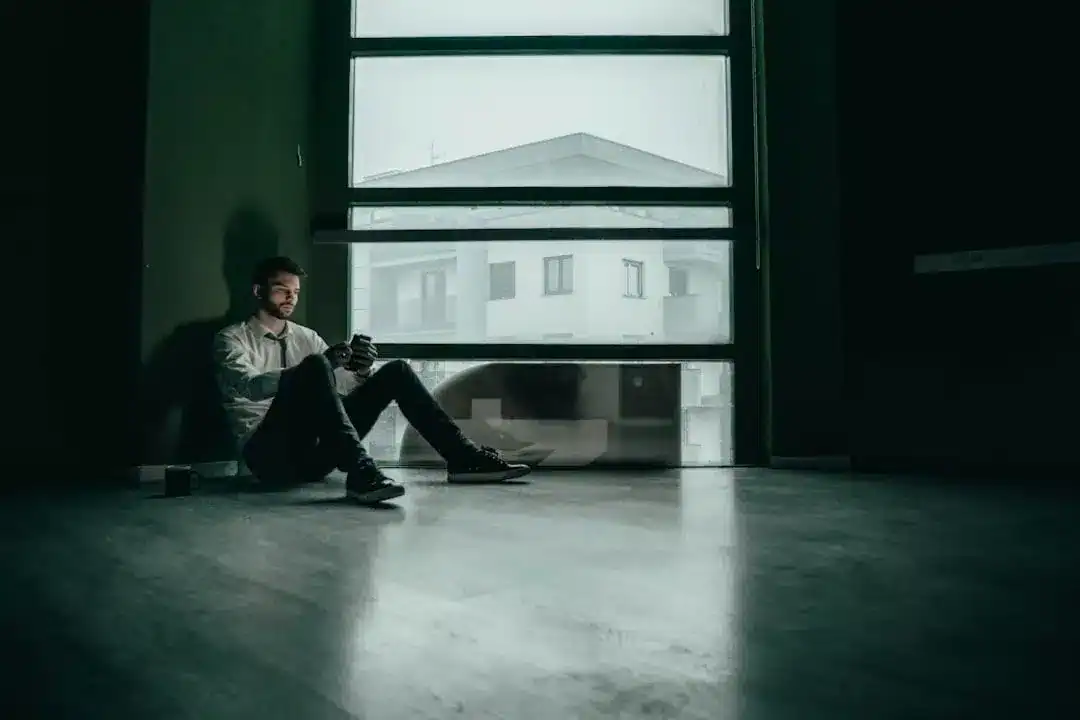
Your healing might include:
- creative expression
- grounding or somatic practices
- faith and prayer
- story work
- therapy (CBT, EMDR, IFS, narrative work)
- journaling, walking, or movement
- practices that reconnect you to your own body
Recovery is not about “fixing” yourself — it’s about discovering who you are underneath the survival strategies that kept you going.
You don’t have to do this all at once, and you don’t have to do this alone.
The Importance of Support (For You, Not Others)
You need and deserve support that honors your story—whether that comes through a therapist, a story coach, a pastor, a trusted friend, or a healing community. Trauma is too heavy to carry by yourself. Reaching out is not weakness; it’s wisdom.
Healing begins when you believe your story matters enough to receive appropriate support. We empower ourselves to reclaim our lives and move forward with hope.
Closing Thoughts
Trauma is never the whole story. It’s a chapter — sometimes a long one — but not the end. Your body, your heart, and your story have carried so much. And now, you get to begin tending those places with honesty and gentleness, not shame.
If you want to explore trauma, healing, and story work more deeply, I have a piece called “Uncovering the Power of Your Story: Healing from Trauma” on Reclaiming Shalom that may be a good next step. You’ll find additional resources, reflections, and tools there to help you continue your healing journey at your own pace.
You’re not alone. And your story is worth this kind of care.
Recommended Reading
-

Redeeming Heartache: How Past Suffering Reveals Our True Calling
Dr. Dan B. Allender -
The Body Keeps the Score: Brain, Mind, and Body in the Healing of Trauma
Bessel van der Kolk M.D. -
Healing the Wounded Heart: The Heartache of Sexual Abuse and the Hope of Transformation
Dan B. Allender