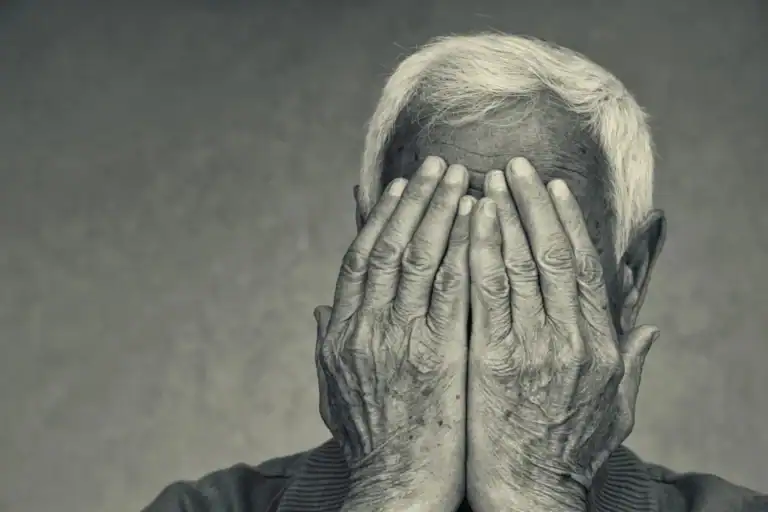
Trauma doesn’t just live in our memories—it lives in our bodies, our relationships, and the ways we see ourselves. For many survivors of sexual abuse, daily life can feel like navigating a maze of emotions: anxiety that won’t loosen its grip, waves of sadness, or a constant hum of hyper-vigilance. It’s not weakness. It’s the mind and body trying to make sense of what happened and keep you safe.
Sometimes the past leaks into the present. A smell, a tone of voice, a moment of stress—anything can trigger old fear or shame, coloring how we see ourselves and the world around us. We actually feel like we are back in a certain moment in the past. Over time, that weight can shape how we think, how we connect, and how hopeful we feel about the future. And it doesn’t only affect the individual; the impact ripples through families, friendships, and communities.
Remember This as You Read:
- Trauma can show up as anxiety, depression, or PTSD.
- The body keeps the score: chronic pain, headaches, fatigue, and GI issues are common.
- Socially, survivors may pull back, feel misunderstood, or struggle to trust.
- Intimate relationships can be strained by communication breakdowns and intimacy challenges.
- Long-term health risks can rise, including heart disease and immune system problems.
- Self-esteem and self-worth often take a hit.
- Seeking help can feel risky or stigmatized—especially in religious communities.
Recognizing the physical impact
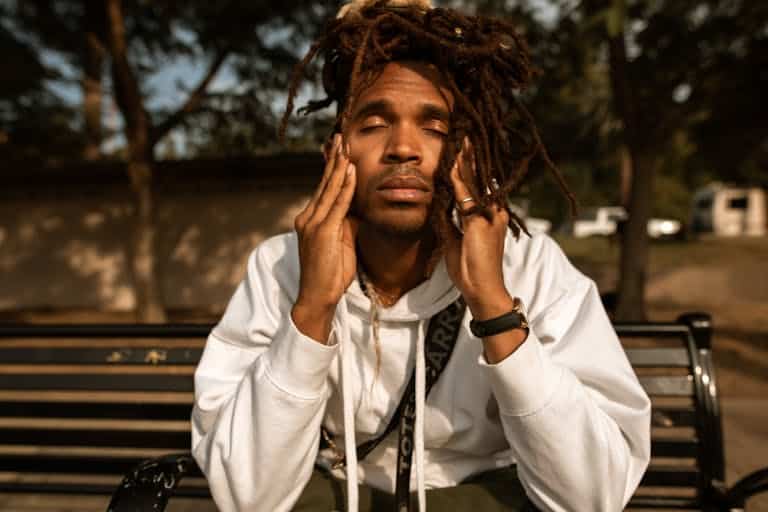
When you’re fighting an invisible battle, your body often speaks first. Fatigue that no amount of sleep fixes. Headaches. Stomach issues with no clear cause. These aren’t “all in your head”, though others may tell you they are. Stress hormones like cortisol can stay elevated when you’re constantly on alert, wearing down your system and creating a loop: feeling unwell physically makes the mental load heavier, which then makes your body feel worse. Breaking that cycle starts with honoring both sides—mind and body—and getting support for each.
How trauma affects connection and community
Psychological pain can make it hard to “show up.” You might cancel plans, feel like a burden, or struggle to explain what’s going on. Loved ones and friends may want to help, but not know how, which can create distance on both sides. Add stigma—and the fear of being judged—and it’s easy to end up isolated. In that alone-ness, the symptoms only increase and the fear and shame become suffocating. Naming what’s happening and inviting safe people into your story can soften that isolation and build real understanding.
The ripple effects in intimate relationships
Intimacy can be complicated after trauma. (We aren’t just talking about sex here, although that is certainly affected, as well.) You might feel irritable or numb; small misunderstandings can blow up quickly. Trust can destabilize. You may want closeness but feel unsafe being vulnerable. None of this is a character flaw—it’s a protective system doing its job a little too well. The system got used to protecting you and is trying to take preemptive action to protect you now – even though there isn’t anything to protect you from. And that is “crazy-making” because you know logically that you are not in danger, but your body is overriding that knowledge.
A few relationship anchors:
- Communication: Clear, gentle check-ins with safe people who care about you can reduce guesswork and resentment.
- Trust: Slow, steady transparency rebuilds safety over time.
- Quality time: Shared moments—without pressure—can restore connection.
- Repair skills: Healthy conflict tools help you find each other after a rupture.
- Intimacy: Emotional safety often needs to come before physical closeness.
A “Safe Person” is someone who…
Long-term health matters
Chronic stress isn’t just exhausting—it can raise the risk for conditions like heart disease, diabetes, and autoimmune issues. That’s not to scare you; it’s to underline that mental health care is health care. Getting support now can protect your future well-being and make life more livable today. Personally, when I learned that being sick all the time could be a result of trauma, it was very important knowledge.
A note about self-esteem and self-worth:
Trauma often plants lies: “I’m broken.” “It was my fault.” “I’m too much/not enough.” Comparison makes it worse—especially when everyone else’s life looks effortless from the outside (one of the many reasons that social media is so dangerous). Healing means challenging those beliefs with truth and compassion, noticing your strengths, and letting safe people reflect back who you really are.
Why is getting help so hard?
Stigma, shame, cultural expectations, and past negative experiences with help-seeking can all get in the way. In some religious settings, survivors may fear being blamed, disbelieved, or told to “pray it away.” Your pain deserves care and respect. You are not weak for needing help; you are human. (And also, I believe that prayer, God’s Word, and the community of other believers who are safe is essential to healing.)
So, how do you move toward healing?
First – healing isn’t linear. Some days you’ll feel strong; others you’ll need to rest. Both are part of the process. Here are some helpful starting points:
- Therapy with a trauma-informed clinician (e.g., EMDR, somatic therapies).
- Support groups where you can be seen and believed.
- Body-based care: sleep, nutrition, gentle movement, breath work.
- Boundaries that protect your energy and safety.
- Practices that restore meaning—faith, creativity, nature, community.
If you want a place where stories are honored and survivors can connect, “Join the Story Group Waiting List”. Story Groups offer a supportive space for sharing, listening, and healing alongside others who understand. Community doesn’t erase trauma, but it can make the load lighter.
Please remember:
You’re not alone.
What happened to you matters—and so does what happens next.
With the right support, it’s possible to feel safe in your body, connected in your relationships, and hopeful about your life again.