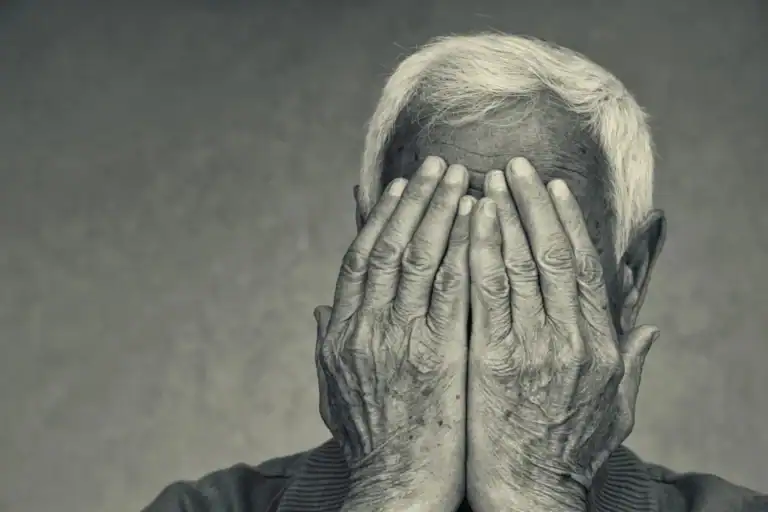
The beginning of a new year often arrives carrying a familiar weight. Even before the ball drops in NYC, many people feel it pressing in. The subtle expectation that this is the moment to change. To improve. To finally become the version of yourself you were supposed to be by now.
If you feel that pressure, you are not imagining it. The cultural story of the new year is loud and persistent. New habits. New goals. New discipline. A new you. But for most people, especially those who carry a history of loss, trauma, or prolonged stress, this message does not feel hopeful. It feels exhausting. It feels like an invitation to fail…again.
If you are already tired, the idea of reinventing yourself can feel like another burden. And if you are honest, you may be wondering how to start the new year at all when you are carrying disappointment, grief, or weariness from the year behind you.
This reflection begins with a gentle truth. You do not need a new you to begin the new year well.
The Pressure to Change at the Start of the Year
Many people describe the turn of the year as a fresh start, but that language often comes with unspoken demands. Be better. Do more. Fix what is broken. Leave behind what did not work. This is why so many people feel new year pressure to change even when they cannot name exactly where it comes from.
For some, the pressure shows up as anxiety. For others, it shows up as shame. You may feel the weight of past resolutions that did not last. You may feel tired of new year resolutions that promised hope but delivered disappointment. You may even notice a familiar internal voice telling you that this year will only be different if you become someone else.
If that voice is loud for you, it does not mean you lack motivation or discipline. It may simply mean you are listening to your body and your story. Starting the new year when you are tired is not a failure. It is an honest place to begin.
Why Reinvention Often (Usually) Fails Us
The idea of becoming a new you assumes that who you are now is not enough. It treats the past as something to discard rather than understand. For people whose stories include harm, instability, or long seasons of survival, this approach can be especially painful.
Many patterns that get labeled as problems once helped you endure. The vigilance, the self-reliance, the pushing through. These were not moral failures. They were strategies. They helped you survive what you did not get to choose.
If you have spent years living in survival mode, the thought of dramatic change may feel unsafe. Your nervous system may resist not because it wants to sabotage you, but because it has learned that abrupt shifts often come with risk. This is one reason why so many people ask how to start the new year without anxiety. Their bodies remember more than their minds.
If this resonates, you may find it helpful to explore Are You Tired of Living in Survival Mode, where I reflect on how the body holds old stories of danger and why rest can feel unfamiliar even when life is calmer now.
A Different Way to Start the New Year
What if starting the new year is less about becoming someone new and more about telling the truth about where you are. What if the invitation is not to fix yourself, but to listen to yourself.
Many people search for how to start the new year because they want direction. But direction does not always come through goals or plans. Sometimes it comes through attention. Through noticing what feels heavy. Through naming what you are carrying. Through allowing yourself to begin from a place of honesty rather than aspiration.
A gentle beginning might sound like this. I am tired. I am hopeful and afraid. I am carrying disappointment and longing. I am still here.
That is not a weak starting point. It is a real one. It feels like truth. Not like failure.
When the New Year Stirs Shame
For some, the start of the year brings a quiet sense of failure. You may look back and see what did not change. Habits you could not maintain. Healing that feels incomplete. Relationships that remain complicated. This is why so many people wonder why new year resolutions make them feel worse rather than better.
Shame thrives in comparison and pressure. It tells you that growth should be obvious and linear. It leaves little room for grief, complexity, or slow healing. But Scripture tells a different story. God meets people in deserts, not just in promised lands. God works through long journeys, not instant transformations.
If anger or frustration rises when you feel this pressure, you may appreciate Understanding Anger After Trauma, which explores how anger often signals places where care and protection are still needed.
Beginning With Compassion Instead of Control
A healthier way to begin the year may start with compassion. Not the shallow kind that avoids hard truths, but the deep kind that honors context. Compassion asks different questions. What has this past year required of me. What did I have to survive. What did I not get to choose.
These questions matter because they shift the focus from performance to understanding. They create space for self compassion, which is not indulgence, but wisdom. When people feel safer with themselves, change becomes possible. When they feel pressured, change becomes performative or short-lived.
This is also why a new year without resolutions can be freeing. It does not mean you abandon hope or desire for growth. It means you refuse to measure your worth by productivity or discipline.
The Role of Story in a Gentle Beginning
Healing rarely comes from force. It comes from integration. This is where story work becomes such a meaningful companion at the start of a year. When you take time to reflect on your story, you begin to see patterns with kindness rather than judgment. You begin to understand why certain changes feel threatening. You begin to notice where your body still needs reassurance.
If forgiveness feels tangled with these reflections, When Just Forgive Feels Like Another Wound may help you name why pressure to move on too quickly can deepen pain instead of healing it.
This kind of work does not demand a new identity. It invites deeper presence with the one you already are.
This is also the heart of the story coaching work I offer. If you want a companion as you explore these questions, you do not have to walk alone. You are allowed to move at the pace your story requires.
Beginning the Year Well
Beginning the new year well does not mean beginning perfectly. It means beginning truthfully. It means allowing rest instead of resolutions if that is what your body needs. It means choosing gentle beginnings over dramatic resets. It means trusting that God is already at work in the places you feel unfinished.
You do not need a new you to be worthy of hope. You do not need to reinvent yourself to be loved. You do not need to prove anything to begin again.
You can start the year exactly where you are. And that can be more than enough.
A Gentle Mirror for the New Year
You might resonate with this post if any of these feel familiar. This is not a diagnosis. It is simply a way many people notice their inner experience at the start of a new year. • You feel pressure to change, even though you are already exhausted. • You are tired of new year resolutions that leave you discouraged. • You want a fresh start without guilt or shame. • You feel uncertain how to begin the year when you are carrying grief or fatigue. • You long for rest and healing more than improvement.
If you recognize yourself here, nothing is wrong with you. It may simply mean you are ready for a kinder way forward.
Inviting Reflection and Growth
- What emotions surface for you at the start of a new year.
- Where do you feel pressure to become someone else rather than listen to yourself.
- What might it look like to begin this year with compassion instead of control.
- Where do you sense God inviting you toward rest rather than reinvention.