The Man in the Mirror: When Trauma Changes How You See Yourself
For men who carry trauma, the mirror can stir old pain about worth, safety, and the body that survived what it survived.

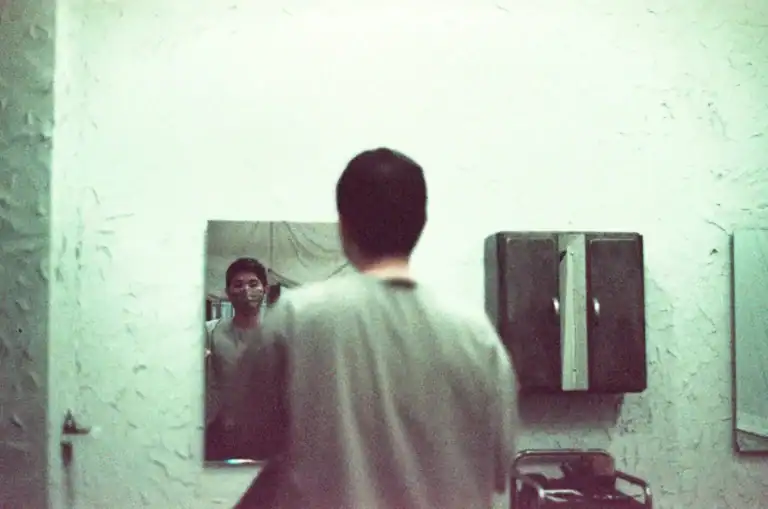
For men who carry trauma, the mirror can stir old pain about worth, safety, and the body that survived what it survived.

If your relationship with God has been about obedience and endurance, the capacity for delight may have been buried by your story.

If concentration has always felt like fighting your own brain, the problem might be a nervous system trained for threat, not focus.

If growing older feels less like a natural process and more like a reckoning, your relationship with time may be shaped by trauma.

If global crises land in your body like they’re happening in your living room, your story and the world’s story may be entangled.

If you regularly feel unmoored or lost in ways that don’t match the circumstances, your body might be replaying an older experience.

If food has become something you endure rather than enjoy, your body may be remembering something through your taste buds.

If picking up an instrument activates dread instead of delight, your body may be replaying a story that has nothing to do with the music.

If your voice disappears when it matters most, the silence might not be shyness. It might be a survival strategy from boyhood.
When a random smell hijacks your mood or floods you with emotion, your body is remembering something your mind may have never processed.