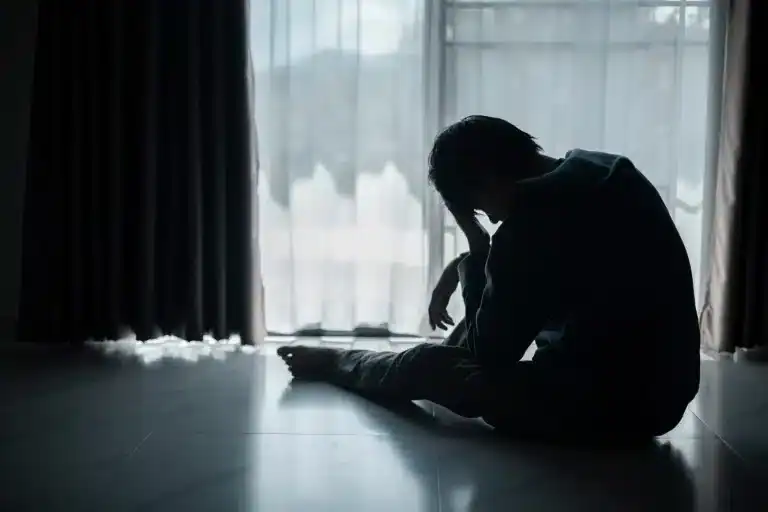
It takes great courage to name the harm we have experienced. Whether the harm happened long ago or just yesterday, quietly acknowledging what was lost or broken is no trivial thing. For many trauma survivors, even finding words for our story can feel like standing at the edge of a vast, unknown chasm. And yet, when we dare to tell the truth, something remarkable happens. We begin to press open the door to restoration, inviting God’s presence into places that once felt silent and abandoned.
Why Naming Harm Matters
Most of us have learned, often painfully, to minimize our wounds. Maybe someone told us it wasn’t “that bad,” or we feared that speaking up would only deepen our isolation or bring more shame. Yet, the Christian story deeply values truth-telling. Scripture is filled with raw, honest laments. Many Psalms name sorrow, anger, and longing with unfiltered clarity (see Psalm 34). When we do the same, we enter the first movement of trauma healing: naming and witnessing what has been lost.
Dan Allender, founder of The Allender Center, calls this practice “story work.” It is the sacred, slow task of moving from silence to speech to bring our heartache, confusion, and even rage into the light, not to wallow, but to seek understanding and restoration. Naming harm is not about blame or staying stuck in the pain. Instead, it’s about honoring reality. We cannot heal what we do not acknowledge.
The Shalom Arc and the Reality of Harm
Shalom is a wholeness that God designed every person to experience. But in our fallen world, shalom has been shattered. Harm, whether from betrayal, loss, abandonment, or abuse, disrupts and destroys our sense of safety, belonging, and purpose.
The journey of reclaiming our shalom follows an arc:
- Shalom: The original goodness and harmony of creation and relationship
- Shalom Shattered: The moment(s) of harm, rupture, or loss
- Shalom Sought: Our efforts (often imperfect or misguided) to restore what was lost
- Shalom Restored: The slow, sacred process of integration, kindness, and hope
Naming harm is the bridge from shattered shalom to restoration. Without honest naming of what has been, we risk either remaining frozen in denial or endlessly repeating old patterns that echo our wounds.
What Keeps Us from Naming Harm?
If naming is so essential, why does it feel so risky? Here are some common reasons:
- Internalized shame: “It was my fault.”
- Fear of burdening others: “No one wants to hear this.”
- Minimizing: “Others have suffered more than me.”
- Fear of re-experiencing pain: “What if talking about it makes it worse?”
These fears are so real—and honoring them is part of gentle, trauma-informed story work. Yet kindness is also rooted in the truth that harm cannot be healed by hiding. When we name what happened, we take the first step toward being heard and, ultimately, believed.
Curiosity and Kindness
Engaging our stories with curiosity means asking questions rather than making demands. What was it really like for me as a child? What parts of my story still ache? How might God’s heart hold my story with deep compassion?
This is not about dissecting every detail or confronting every person involved. Sometimes naming harm simply means writing a letter to that younger part of ourselves, or sharing a fragment of history with a trusted friend, therapist, or spiritual mentor. Sometimes it is enough to name the ache before God in the privacy of our hearts. Small steps count. The goal is not to force resolution, but to listen with hope for what else might become possible.
What Change Looks Like
It’s important to say that honest naming rarely brings instant relief. Sometimes, the first things we feel are grief, anger, or confusion. And yet, naming harm can also set loose a wave of comfort. Suddenly, the silence is broken. We discover we are not alone and maybe, for the first time, we hear the tender whisper of God’s heart: “I see you.”
Over time, as we make space for our true stories, we may notice subtle shifts:
- Less self-blame and internal condemnation
- Greater compassion for ourselves and others
- A deeper sense of God’s presence with us, even in pain
- The emergence of new choices we hadn’t imagined before
As Isaiah 61 reminds us, God lovingly binds up the brokenhearted and replaces ashes with beauty. Restoration is a journey, not a destination, but naming harm is often the threshold we must cross to go anywhere at all.
Story, Community, and Gentle Next Steps
You don’t have to walk this path alone. Sometimes, the most healing experiences happen in the presence of safe others–someone who listens, bears witness, and calls forth your God-given dignity. Whether in a group, with a counselor or a story coach, or through writing and prayer, every act of honest naming is a movement toward shalom sought and shalom restored.
If you feel alone or overwhelmed, please consider reaching for support. Trauma’s silence is often broken best in the company of the kindhearted.
Reflection Questions
- Where in your own story do you sense a need for honest naming either big or small?
- What gentle step could you take to honor your story this week (journaling, prayer, sharing with a safe person)?
- How have you seen God’s comfort or presence meet you in places of named pain?
- What fears or barriers do you notice when you consider naming harm and what kindness can you offer yourself there?
No matter where you are on the path, the willingness to name is an act of hope. May you sense the tender mercy that accompanies every step toward shalom restored.