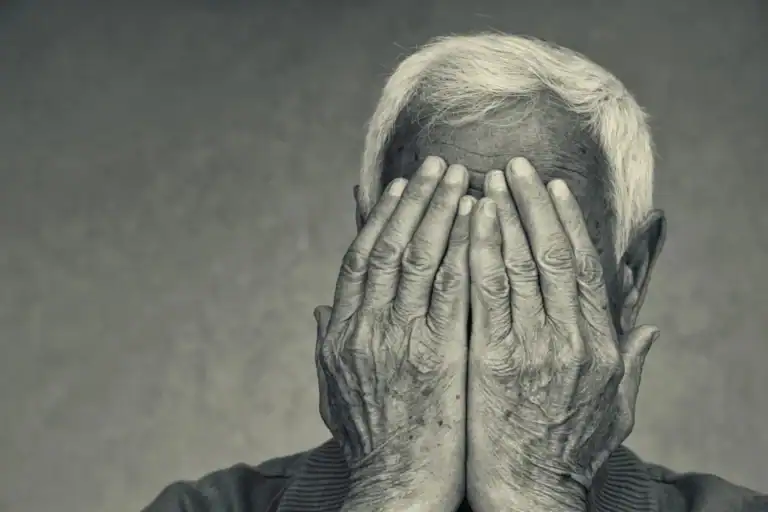
Have you ever felt like no one could possibly understand what you’ve been through? Maybe you carry painful memories that you barely talk about, or a chapter of your life that you wish you could erase. If so, you’re not alone. Many of us who have survived trauma feel isolated and unseen, as if our personal story doesn’t matter. In moments of darkness, it’s easy to believe that your experiences are too messy, too painful, or too trivial to share. But here’s the truth: your story matters more than you think.
Trauma can leave us feeling alone and ashamed, but sharing our story in a safe space can be deeply healing.
In recent years, therapists and researchers have begun to emphasize something called narrative-focused trauma recovery (NFTR) – a healing approach grounded in engaging with your personal story. The core idea of NFTR is simple yet profound: we heal by telling and reframing the story of what happened to us. Rather than avoiding the past or “just getting over it,” NFTR invites us to gently lean into our stories, process them, and ultimately reclaim them. This approach, championed by experts like Dr. Dan Allender and Adam Young, integrates psychology and compassion to help people make sense of their trauma through narrative, In NFTR, the act of sharing your story – whether through writing, speaking with a therapist, or in a supportive group – becomes a powerful pathway to healing. In fact, research has long shown that the key to overcoming traumatic stress is often the telling of your own story.
Take a moment to let that sink in. The very thing we often fear – revisiting our painful memories – might be the thing that sets us free. By the end of this post, you’ll understand why your story is so important to your healing, how trauma may have distorted the way you see that story, and how you can begin to rewrite it with truth and compassion. Most importantly, I hope you’ll feel seen, understood, and encouraged to take the first small step in reclaiming your narrative. Because no matter what you’ve been through, your story isn’t over – and it matters.

How Trauma Distorts Our Stories
Trauma doesn’t just hurt us in the moment it occurs; it can change the entire story we tell ourselves about our lives. When we experience something horrific or overwhelming, our brain and body go into survival mode. Memory can malfunction under extreme stress – the mind might dissociate (mentally disconnect) or fragment the experience into pieces. As psychologist Dr. Pauline Peck explains, “Trauma is stored as fragments, not as a linear story”. This is why you might have only jumbled flashes of a painful event (a smell, a sound, a single image) rather than a clear memory of it. It’s your brain’s way of protecting you from the full force of the horror. The result? You’re left with puzzle pieces of memory that are hard to make sense of, and gaps that your mind often fills with confusion or self-blame. We humans are normally hard-wired to organize our experiences into a coherent narrative, but traumatic stress throws this process off – it’s as if our internal “story organizer” short-circuits, leaving us disoriented and unsure how to interpret what happened.
Not only does trauma fragment our memories, it also warps our self-perception and beliefs. Unprocessed trauma often leads us to draw distorted conclusions about ourselves, especially when we don’t have support or context for what happened. It’s tragically common for survivors to internalize the idea that the trauma was their fault, or that it defines their worth. For example, a child who lived through abuse might quietly come to believe “I’m unlovable” or “I deserved this” – core beliefs that are utterly false but feel true deep down. These negative thoughts are usually automatic and not based on reality, yet they stick, becoming part of the story we tell ourselves every day. Over time, an abuse survivor might see themselves as “damaged goods,” or someone who will always be betrayed because that false story has replayed in their mind for years.
Because trauma memories are so fragmented and imbued with intense emotion, they often refuse to stay in the past. It can feel like the traumatic event is still happening or about to happen, even long after the danger is gone. You might experience intrusive flashbacks, nightmares, or a constant state of alertness and fear. In a very real sense, trauma shatters your sense of safety and continuity. It’s as if the “chapter” of the traumatic event never got neatly filed away in your memory; instead, it’s spilling into the pages of your present life. You may even lose parts of your story entirely (through repressed memories or blackout moments) and then doubt yourself – “If I can’t remember it clearly, did it even happen? What’s wrong with me?”
It’s important to know that these reactions are not your fault. The chaos and distortion trauma brings to your personal narrative is a natural human response to extreme stress. One trauma therapist noted that “Trauma has nothing to do with the event [itself]. Trauma is about what happens in your body after the bad event when there is not sufficient care”. In other words, when we go through terrible experiences without the support and care we need, our minds do the best they can to cope – often by distorting or hiding aspects of the story. The unfortunate consequence is that we’re left with a haunted narrative: false beliefs about ourselves, unresolved grief or anger, and memories that feel like jagged shards. We might avoid thinking about the event (or talking about it) because it’s so confusing and painful. Yet by not engaging with our story, those old wounds continue to fester in the background. The untold or unprocessed story can quietly shape our emotions, our relationships, and our view of ourselves in profound ways.
The bottom line: Trauma can turn our personal story into a distorted, fragmented mess. It robs us of the feeling that we are the author of our own narrative. Instead, we feel like a character trapped in a never-ending chapter of chaos, shame, or fear that we can’t rewrite. But – and this is where hope comes in – it is possible to rewrite it. The first step toward healing is to recognize that these distortions are not the end of the story. What happened to you is not all of who you are. The negative messages trauma etched into your mind (“I’m broken,” “It was my fault,” “I’m weak”) are lies. And through the process of compassionate storytelling, you can begin to reclaim the truth and put those lies to rest.

The Healing Power of Storytelling
So how do we begin to heal those shattered pieces and false narratives left in trauma’s wake? One of the most powerful answers is storytelling. It might sound surprising that something as simple as telling your story – whether by writing it down, speaking it aloud, or even expressing it through art – can help mend the deep wounds of trauma. But engaging with your story in a safe and structured way allows your brain and heart to do what they naturally crave to do: make meaning out of what happened. As one clinician beautifully put it, when we “plot-point our trauma narrative, we live through our story in a new way” – this gives us a chance to reorganize our sense of self that was wounded or lost. In therapy terms, we’re creating a coherent narrative out of chaos. And that is deeply healing.
Modern neuroscience backs this up. Dr. Bessel van der Kolk, a leading trauma expert (and author of The Body Keeps the Score), explains that narrative therapy – the process of revisiting and re-telling the story of trauma – helps integrate the traumatic memory into your broader life story. Instead of that awful event being this isolated, ever-present “raw wound” in your mind, it becomes one chapter of your life among many others. Telling the story helps move it from the present to the past. Neurologically, engaging in storytelling activates the brain’s frontal lobes – the areas responsible for language, organization, and emotional regulation. In essence, when you put words to your experience (whether spoken or written), you’re activating the thinking, logical part of your brain that can help soothe the fear center. Over time, this process can literally reduce the intensity of the traumatic memory and its grip on your nervous system. That’s why methods like trauma-focused talk therapy, EMDR, or narrative exposure therapy are effective – they all involve forming a narrative of what happened and attaching new meaning to it, which calms the body and mind.
Storytelling is not just an intellectual exercise; it’s deeply emotional and relational. When you speak your truth in a safe context, two things happen. First, you hear your own story told aloud, which can be validating in itself (“Wow, this was real, and it was that bad”). Many survivors feel a strange relief in finally naming what happened to them. Second, if you’re sharing with a trusted person or support group, you receive empathy and understanding in return – an antidote to the loneliness and shame you’ve been carrying. Trauma often makes us feel that we must keep quiet (because of fear, guilt, or shame). But when you risk telling your story and someone responds with compassion instead of judgment, an incredible healing transaction occurs: shame begins to dissolve. You start to realize, “It wasn’t my fault. I was brave to survive that. I am more than this trauma.” By sharing our story with supportive others who can acknowledge both our deep woundedness and our deep goodness, we open the door to healing in community. In the words of Dr. Dan Allender, this kind of narrative work can “engage and reclaim traumatic experiences,” ultimately helping to heal our deepest wounds.
Even if you’re not ready to speak your story out loud to someone, writing it for yourself can be profoundly therapeutic. There’s a growing body of research showing that journaling about traumatic or emotionally difficult experiences leads to improvements in mental and even physical health. In one famous study, psychologist James Pennebaker asked participants to write about the most traumatic experience of their life for 15 minutes a day, over four days. Many of those people had never told a soul about these experiences before. It was difficult – some cried as they wrote – but afterward, the results were remarkable. In the following months, the group who wrote about their trauma visited doctors and health centers significantly less than the control group who wrote about mundane topics. In other studies, people who engaged in expressive writing reported reduced stress, better immune function, and improved mood over time. Why does writing help? Partly because it’s a form of storytelling – you’re giving language and structure to an experience that maybe felt unspeakable. Writing also gives you a private, judgment-free space to release emotions you’ve been holding in. As Pennebaker found, keeping painful experiences secret can be toxic to our health, but expressing them (even privately on paper) tends to lighten the emotional load . It’s like you finally set down a heavy backpack you’ve been lugging around.
Another benefit of storytelling is that it allows you to reframe and find new meaning in what happened. When the trauma first occurred, you might have been a child, or simply overwhelmed and terrified – you didn’t have the capacity to make sense of it. But now, with time, distance, and perhaps guidance from a therapist or mentor, you can revisit that event and look at it through a new lens. This doesn’t mean “put a positive spin” on trauma (not at all – what happened may never be positive). It means you can integrate it into who you are in a way that leads to growth instead of endless pain. For example, instead of your internal story being “I’m broken because I was abused,” a reframed story might become, “I was abused, and it hurt me deeply, but I survived – I am courageous, and I am reclaiming my life.” The facts of the event don’t change, but the meaning attached to them does. Researcher Dan McAdams, who studies narrative psychology, finds that people who thrive after hardship often create “redemptive narratives” – stories that acknowledge the pain but also see some redeeming value or strength that came from it. You don’t have to jump to redemption too soon (and you should never pressure someone to find a “silver lining” in trauma), but over time, you get to decide what your story means. Telling your story helps you realize that you are the narrator – the pen is back in your hand, and you can write the next chapters from a place of empowerment.
Before we move on, one crucial point: for storytelling to be healing, it must be done in a safe and supportive way. This is not about reliving your trauma in a raw, uncontained manner or dumping it out in an unsafe environment. The goal isn’t to re-traumatize yourself – it’s to process and reclaim control. That’s why approaches like narrative therapy often emphasize kindness, pacing, and support. Dr. Dan Allender notes that when we start remembering stories of harm, it’s common to feel immense shame or even contempt toward ourselves – “Why did I react that way? What’s wrong with me?” But it is vital to approach your story with gentleness. In fact, engaging those painful stories with kindness rather than contempt is what truly “opens the door to healing and restoration”. If at any point you feel overwhelmed, it’s okay to pause and seek support – a professional counselor, a trauma support group, or even a grounding friend who can remind you that you’re safe now. Healing through story is a gradual journey. You don’t have to (and shouldn’t) blurt out every detail of your trauma all at once or in an unsafe setting. Step by step, in the right context, you can transform that narrative of pain into one of resilience. As one article on trauma recovery put it: human beings have an innate need to make sense of what happens to us, and when we do start to “story” our trauma, we give ourselves the chance not just to understand it but to transform our understanding of ourselves. You might move from seeing yourself as a helpless victim to recognizing yourself as a survivor – maybe even a thriver – who has reclaimed power from what happened. That is the healing power of storytelling.

Live It Out: Engaging with Your Own Story
All this sounds good in theory, but you might be wondering, “How do I actually do this?” The idea of delving into your trauma narrative can be intimidating. Remember, you are in control of this process. You can start small. You don’t have to write a memoir overnight or share your deepest secrets with the world. What’s important is to begin engaging with your story in a way that feels safe and manageable to you. Here’s a simple exercise to help you get started, using journaling as a tool. Take your time with it – there is no rush and no right or wrong way to do this.
Storytelling Journaling Exercise: Reclaiming a Difficult Memory
- Set the stage.
Choose a time and place where you feel relatively calm and won’t be interrupted for a little while. Grab a journal or a piece of paper (or if typing feels better, open a blank document). Maybe make a cup of tea or play some gentle music – anything to help you feel safe and comforted. Remind yourself that you are in the present; the things you’re about to write about are not happening right now. You might even start by writing, “Today is [date], I am [age] years old, and I am safe as I write this.” This helps ground you in the here and now. - Begin with facts (the outer story).
Think of a specific experience that has been weighing on you. It could be “the day I lost my mother in the accident” or “the night I was assaulted” or even a subtle trauma like “the time my parent humiliated me in front of everyone.” If it’s very severe, you might choose something small to start with – perhaps a less intense incident that still bothers you. Describe what happened as if you were telling a story. You might write it in first person (“I remember walking into the room and…”) or third person (“She walked into the room…”), whichever feels right. Include details: Where were you? Who else was there? What unfolded, step by step? Don’t worry about eloquence or grammar. This writing is for you. The goal is to paint the scene on paper. Sometimes adding sensory details (sounds, smells, sights) can unlock parts of the memory, but only do that if you feel ready. If at any point you start feeling overwhelmed (heart racing, panicky), stop and take some deep breaths. It’s okay to step back — you can return to the exercise later. Pace yourself. - Add feelings (the inner story).
Now, write about what you felt during the event. This might be obvious (“I was terrified/I felt like I was going to die”) or you might realize you went numb (sometimes during trauma we feel nothing or leave our bodies – if so, write that down: “I felt numb” or “It was like I wasn’t even there in my mind”). Also note what you feel now as you recall it. For example, “As I write this, I notice I’m feeling angry/sad/anxious.” It’s important to acknowledge these emotions. You may even gently name the sensations in your body (tense shoulders, tight throat, etc.). This part can be tough, but it’s teaching your brain that it’s okay to feel those emotions in a measured way now – they are valid, and they will pass. - Explore the beliefs.
Next, take a look at the thoughts or beliefs that arose from this event. Trauma often plants or reinforces certain beliefs about ourselves or the world. Ask yourself: What did I start believing because of this? Some examples might be: “I’m not safe. I’m alone. I’m worthless. People will always hurt me. It was my fault. I’m ruined.” Write down whatever comes up, even if it sounds harsh or irrational. These are the messages that your mind internalized – the “story” that started playing on loop after the trauma. Seeing them on paper can be eye-opening. Often, when we externalize these beliefs, we can recognize them for what they are: wounds, not truths. - Challenge the story.
Now for a gentle reality check. Look at what you wrote in step 4 – those beliefs. Pick one and ask yourself: Is this 100% true? Usually, the answer is no. One helpful technique is to imagine someone you dearly love went through exactly what you went through. If they came to you and said, “This terrible thing happened, and now I believe [the negative belief] about myself,” how would you respond to them? You likely would say something kind and emphatic, like: “Oh my goodness, of course it wasn’t your fault. You were a child – the adult hurt you, and that was completely wrong. You did not deserve that.” Or “You did everything you could in that situation; you are not weak, you survived something awful.” Write down a compassionate rebuttal or message to each negative belief. Essentially, you are reframing the story with the truth. For instance, if the belief was “I’m unlovable because of what happened,” you might write, “The truth is I am lovable; what happened to me was not love and not my fault. I was and am worthy of care.” This might feel awkward at first, but try to be as gentle with yourself as you would be with that loved one. You might even write a short letter to your younger self or to the “you” that went through that trauma, offering them the comfort and validation they needed. - Find closure for now.
To finish, bring the exercise to a close in a way that takes care of yourself. Writing about trauma can stir things up, so it’s important to reground. You might write a final sentence like, “I survived that experience, and I am here now. I am proud of myself for facing this today.” If you uncovered an important truth or realization, jot that down. Some people like to end with an affirmation: “My story is important,” or “I am strong,” or whatever feels right. Take a few deep breaths. If you have a safe person to talk to, you might reach out just to say hi and have some friendly contact (you don’t necessarily have to dive into what you wrote unless you want to). Do something kind for yourself after – such as listening to a favorite song, going for a walk, or hugging a pet. You’ve done brave work.
This journaling exercise is just one way to start engaging with your story. If writing isn’t your preferred outlet, that’s okay. You could also try talking through a memory using a voice recorder or phone (and decide later if you want to share it with someone or even just delete it – sometimes speaking it aloud to yourself is powerful). Some people choose creative avenues: painting or drawing scenes that represent their feelings, composing music, or using movement/dance to express what’s inside. The key is finding a medium that feels safe and expressive for you. The goal isn’t to produce art; it’s to give form to your internal experience. As Dr. van der Kolk suggests, externalizing the story – getting it out of your head and into the world in some form – helps you gain a new perspective on it . It’s like taking a tangled knot from inside your chest and slowly loosening it, thread by thread, in the open air.
Also, remember that professional support is available for this process. Therapists trained in trauma (such as those knowledgeable about narrative therapy, EMDR, somatic experiencing, etc.) can provide a safe container and guidance as you work through your story. The journey of trauma recovery is too heavy to walk alone, and that’s nothing to be ashamed of. A skilled counselor or story coach can help pace the storytelling so it’s not overwhelming, teach you coping tools for intense emotions, and most importantly, bear witness to your story with empathy.We are wounded in relationship, and we heal in relationship. Having another person hear your story and respond with care can be immensely healing. Whether it’s a therapist, a support group of fellow survivors, a trusted friend, or a spiritual mentor – consider inviting someone you trust into your story. You are worthy of support.
Finally…
As I come to a close, I want to speak directly to you, the person reading these words. Your story matters. Truly. More than you may ever know. The experiences that have shaped you – even the ugly, traumatic, or broken ones – are significant. They have affected you, for better or worse, and acknowledging that is one of the first steps toward healing. You probably still have doubts: “Does my story really matter? I’m not a famous person or anything… My trauma wasn’t as ‘bad’ as other people’s… Maybe I should just forget it.” It’s so easy to minimize our own pain. But comparing traumas or deeming our story unworthy is a form of self-abandonment. You deserve better. You deserve to honor your own life by healing from what hurt you. And healing starts with listening to your story and giving it a voice. And responding to it with kindness – not contempt.
Healing through narrative is not an overnight miracle or a neat, linear process. It can be challenging. There will be times you want to quit or times you feel like you’re moving backward. If that happens, remember this: every time you choose to face your story with honesty and kindness, you are reclaiming a piece of yourself that trauma tried to steal. You’re strengthening the truth and whittling away the lies. You’re learning to find meaning in your experiences instead of being defined by them. This is courageous work. Be patient and proud of yourself for undertaking it.
Perhaps one day, like many who have walked this road, you’ll even find that your story of overcoming becomes a beacon for someone else. There’s a beautiful quote by Dr. Dan Allender that says: “So take seriously the story that God has given you to live. It’s time to read your own life, because your story is the one that could set us all ablaze.” . I interpret that to mean that when you fully embrace your story – when you own it and heal through it – you not only find your own freedom, but you might just light the way for others to find theirs. Your story can inspire, encourage, and bring hope to someone who is in the darkness that you once knew.
But first, it starts with you and that first step. Maybe your first step is writing one paragraph in your journal tonight. Maybe it’s finally telling a trusted friend, “I think I’m ready to talk about something that happened to me.” Maybe your first step is simply sitting with the fact that your story matters, even if you’re not ready to share it yet. That’s okay. Go at your own pace. Healing is not a race; it’s a personal journey that unfolds in its own time.
Finally (for real, this time), I want you to feel a sense of hope. No matter how distorted or painful your story has felt up to now, it can be healed and reframed. You are not doomed to relive your trauma forever. You have survived 100% of your worst days, and that speaks to an incredible strength in you. Now, you have the opportunity to turn survival into thriving by tending to those hidden wounds. Your past informs who you are, but it doesn’t have to define who you are. With each piece of your story that you integrate and heal, you reclaim a part of yourself – your voice, your power, your joy.
So, gentle soul, I encourage you: embrace your story. Write it, speak it, sing it – whatever helps you set it free. Do it with gentleness and support. And whenever doubt creeps in, remember the truth that this entire post has been building toward: Your story matters more than you think. It mattered then, it matters now, and it will always matter – because you matter. Your life is a story worth telling. Here’s to you finding the courage to tell it, one step at a time, and to the healing and freedom that awaits on the other side.
Recommended Reading
-

Redeeming Heartache: How Past Suffering Reveals Our True Calling
Dr. Dan B. Allender -
The Body Keeps the Score: Brain, Mind, and Body in the Healing of Trauma
Bessel van der Kolk M.D. -
Healing the Wounded Heart: The Heartache of Sexual Abuse and the Hope of Transformation
Dan B. Allender

Bibliography
- Allender, Dan (2016). Healing the Wounded Heart: The Heartache of Sexual Abuse and the Hope of Transformation. Baker Books.
- Allender, Dan (2005). To Be Told: Know Your Story, Shape Your Future. WaterBrook Press.
- Young, Adam (Host). (Ongoing). The Place We Find Ourselves [Podcast].
- Van der Kolk, Bessel (2015). The Body Keeps the Score: Brain, Mind, and Body in the Healing of Trauma. Penguin.
- Pennebaker, J. W., & Smyth, J. M. (2016). Opening Up by Writing It Down: How Expressive Writing Improves Health and Eases Emotional Pain. Guilford Press.
TL;DR
Key Takeaways:
• Your perspective is unique: Even if a topic’s been discussed before, no one has your one-of-a-kind mix of experiences and voice. What you share can breathe new life into old ideas.
• Don’t silence yourself out of fear: It’s easy to think “I have nothing original to say” or stay quiet to avoid rejection. This self-doubt is a disservice to your story and those who might need to hear it.
• Sharing sparks inspiration: When you speak up and share your truth, you give others permission and courage to share theirs. Your story could be the comforting echo someone needs to feel understood and less alone.
• Authenticity over novelty: People connect with honest, heartfelt stories more than perfectly “new” ideas. Your passion and vulnerability are contagious, drawing others in far more than polished perfection.
• Impact and connection: You’ll never know the positive impact your story might have until you tell it. Speaking your truth is rewarding and deeply satisfying, fostering real connections and personal growth for you and your listeners.
Ready to explore the power of your own story? Now is a great time to start. Grab a journal or take a quiet moment of self-reflection to embrace your journey. You may be surprised at how much it truly matters – to you and to the world.