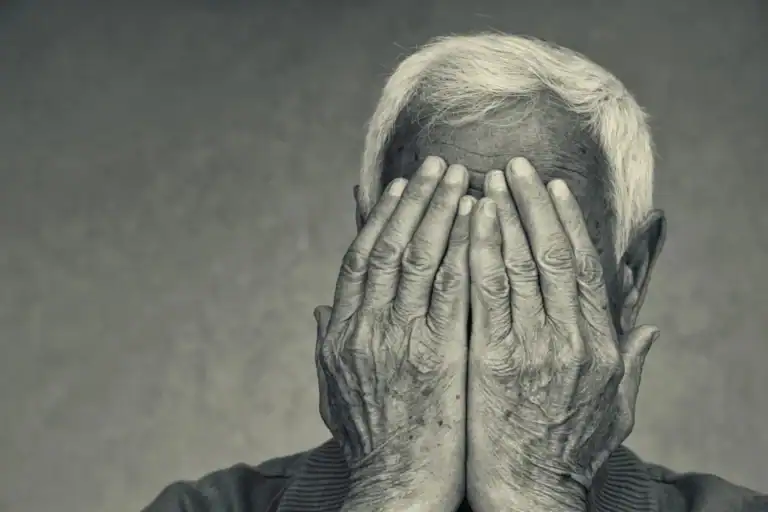
When “Just Forgive” Feels Like Another Wound
You may have heard it in a sermon, from a friend, or inside your own head.
You have to forgive.
Sometimes those words land like care. Other times they land like pressure. If you carry deep harm in your story, calls to forgive can feel confusing, shaming, or even violent.
Many trauma survivors have been taught to offer quick forgiveness instead of honest healing. They were told to reconcile while the harm was still happening. They were urged to “move on” long before their hearts and bodies were ready, neglecting the impact of trauma.
If this is you, it makes sense that forgiveness feels tangled. Your hesitation is not a spiritual failure. It is a sign that something in you is still longing for safety, truth, and care.
How Forced Forgiveness Can Hinder Healing
Forgiveness is meant to be a fruit of healing, not a shortcut around it. When it is rushed or demanded, it can actually deepen harm.
1. It Can Silence Your Story
Quick forgiveness often comes with a quiet rule: “Do not talk about it anymore.”
You may have heard things like:
- “If you really forgave, you would stop bringing this up.”
- “Love keeps no record of wrongs, so let it go.”
- “Dwelling on the past is unchristian.”
When your pain is spiritualized away like this, you receive the message that your experience and emotions do not matter. Your nervous system, however, still carries the impact. Your body remembers, even when your words are not welcome.
What makes this even more tender and confusing is the calling we carry as followers of Jesus: we know we are invited to forgive because we ourselves have been forgiven. But forgiveness was never meant to be a shortcut around your grief or a demand to silence your story. In Scripture, forgiveness grows from truth-telling, not from minimizing harm, as emphasized in the foundations of narrative focused trauma. God does not ask you to pretend the wound was small or that it didn’t leave a mark. He meets you in your pain, honors the reality of what you endured, and gently leads you toward healing in His timing, not anyone else’s.
2. It Can Protect The Person Who Caused Harm Instead Of The One Who Was Hurt
Sometimes forgiveness is used as a shield for the person who caused harm. You may be asked to forgive in order to “keep the family together,” “protect the ministry,” or “honor the marriage.”
In those moments, you are being asked to absorb the cost of what happened while the person responsible avoids facing truth, accountability, or change. That is not the kind of reconciliation God delights in.
The reconciliation God delights in is honest, humble, and rooted in truth. It begins with naming what was harmed, not hiding it. It includes repentance that takes responsibility and seeks repair. It honors the dignity of the wounded person rather than demanding they carry the weight alone. God’s heart is for relationships where truth is spoken, justice is pursued, and healing becomes possible because the real story is allowed to come into the light.
3. It Can Turn Against You As Shame
Attempts at forced forgiveness can sound like spiritual growth, yet they often become another way to feel inadequate.
You might think:
- “If I still feel hurt, my forgiveness must not be real.”
- “If I still have triggers, maybe I am unforgiving.”
- “Good Christians move on faster than this.”
When forgiveness is reduced to a spiritual performance, you carry two layers of pain. The original wound and the shame of not “forgiving right” can be compounded by the impact of trauma and abuse.
Instead of freeing your heart, this kind of pressure traps you in silence. You begin to believe that your struggle to forgive is a spiritual failure rather than a sign of how deeply you were impacted. But Scripture never treats forgiveness as a quick fix or a forced gesture. It honors the reality of harm, the necessity of truth, and the slow work of healing. Genuine forgiveness cannot be demanded; it grows over time as safety, honesty, and God’s presence make room for your heart to breathe again.
What the Bible Does Not Ask of You
Forgiveness is a deep and holy invitation, but Scripture does not command the distortions that often get attached to it.
The Bible does not ask you to:
- Forget what happened or pretend it did not matter.
- Remain in unsafe situations without boundaries.
- Trust someone who continues in harmful behavior.
- Suppress your grief, anger, or confusion so you appear “spiritual.”
Throughout the Bible, people cry out with honest pain. The Psalms are full of lament and protest. The prophets call out injustice in vivid detail. Jesus himself names hypocrisy and harm in religious spaces.
Forgiveness in a biblical sense lives alongside truth-telling, lament, justice, and healthy boundaries. It does not erase them.
So what ARE we invited to?
- Bring our whole, unedited selves before God: Bring grief, anger, confusion, and longing to be made right, rather than hiding or minimizing feelings, as part of the healing work.
- Tell the truth about what happened: speak openly about events and impacts without shrinking or sanitizing the story to make it easier for others to bear, honoring the reality of the trauma.
- Enter the slow, sacred work of healing: engage in gradual restoration where God tends to the places that still ache and affirms worth apart from the speed of recovery.
- Allow forgiveness to grow from safety and honesty, which are crucial in narrative focused trauma care®. pursue forgiveness grounded in genuine security, truthful expression, and deep restoration and not from pressure, performance, or forced reconciliation.
- Respect the pace of real healing: recognize that forgiveness and recovery cannot be forced or rushed but unfold under compassionate and consistent care. This is one of the principles of narrative-focused trauma recovery.
Making Room For Slower, Truer Healing
If you feel pressure to forgive and something in you resists, consider the possibility that your soul is asking for a different order.
Instead of starting with “I must forgive,” you might begin with gentler questions.
1. What Actually Happened To Me?
You might say, “They were just stressed,” or “Everyone has childhood issues,” or “I am probably overreacting.”
Before you can even consider forgiveness, you need room to tell the truth. That includes naming the impact on your heart, mind, body, and relationships.
You might begin by:
- Writing a private account of what you remember, without editing or defending anyone.
- Talking with a trusted therapist, pastor, story coach, or friend who believes you and does not rush you.
- Noticing how your body feels as you recall events and offering gentleness to the places that tense or ache.
2. Where Do I Still Need Comfort And Care?
Sometimes we try to offer forgiveness while our own wounds are still untended. It is like trying to bless someone while your own hands are bleeding.
Ask yourself:
- What parts of this story still ache when I remember them?
- Where did I feel alone, dismissed, or unprotected?
- What kind of care do those younger parts of me still need?
Inviting God and safe people into those questions is not avoidance. It is the slow work of repair.
3. What Boundaries Would Help Me Feel Safer?
Some have been told that forgiveness requires full reconciliation, immediate trust, or ongoing contact, which can undermine the healing work.
In many stories, healing requires:
- Creating physical or emotional distance from the person who caused harm.
- Limiting topics of conversation to protect your heart.
- Choosing lesser contact or, in some cases, no contact can be a necessary step towards healing from the impact of trauma and abuse.
These choices are not proof of unforgiveness. They are often necessary steps toward shalom, especially when the other person is unwilling to acknowledge what happened or change their behavior.
Forgiveness as a Process, Not a Moment
For some, forgiveness comes as a clear decision in a particular moment. For others, it unfolds more like a journey. It may emerge slowly as grief is honored, safety is rebuilt, and your story is held with compassion.
Along the way, forgiveness might look less like a single act and more like a series of small movements.
- Turning away from fantasies of revenge and toward your own healing.
- Releasing the belief that forgiveness requires immediate trust is crucial in the healing work. that your worth depends on what happened to you.
- Allowing God, not the harm, to have the final word over your identity.
There may still be days when anger rises or when a trigger pulls you back into old emotions. That does not erase the healing that has already begun. It simply shows that your heart and body remember and still need care.
What About God’s Call To Forgive?
If you follow Jesus, you have likely wrestled with His words about forgiving others, especially in the context of forgiveness after trauma. Those teachings are real, yet they are often quoted without context or compassion.
God’s invitation to forgive is not a command to:
- Deny your pain.
- Excuse or minimize evil.
- Carry the burden of pretending everything is “fixed” when it is not.
Instead, forgiveness in the way of Jesus moves within a larger story where God also:
- Weeps with those who weep.
- Defends the oppressed.
- Exposes hidden harm.
- Promises justice and restoration that do not depend on human systems alone.
Seen this way, forgiveness is not an eraser placed over your story. It is a gift that God will grow in you over time, as your wounds are tended and your safety is gently restored through narrative focused trauma care.
If Forgiveness Still Feels Impossible
There may be parts of your story where forgiveness feels entirely unreachable. Perhaps the harm was severe. Perhaps it continued for years. Perhaps the person has never admitted what they did or is no longer alive to face it.
If the word “forgive” feels like too heavy a word to hold, you might begin with a different prayer.
You could pray:
- “God, you know what was done to me. Help me see my story with your tenderness.”
- “Show me how to care for the places in me that were harmed.”
- “Guard my heart from bitterness that corrodes me, without asking me to pretend what happened was small.”
Even this kind of prayer is a step toward shalom. It honors both your pain and your desire not to be defined forever by what others chose.
Moving Forward With Gentleness
If your forgiveness has been forced in the past, you are still allowed to slow down now. You are allowed to revisit your story with more kindness than you were given the first time.
You might consider:
- Working with a trauma-informed counselor, story coach, or spiritual mentor who respects your pace can help you understand the impact of trauma.
- Letting yourself name what happened without quickly adding, “But I forgave.”
- Inviting God to sit with you in the questions, not only in the answers.
Forgiveness, when it comes, will not erase your story. It will not undo what happened, but it can aid in the process of healing after trauma. Yet it can become part of how God slowly tends the torn places in you, weaving a quieter strength and a deeper peace.
Until then, you do not have to force what your heart is not ready to offer. Honest healing is itself an act of faith.